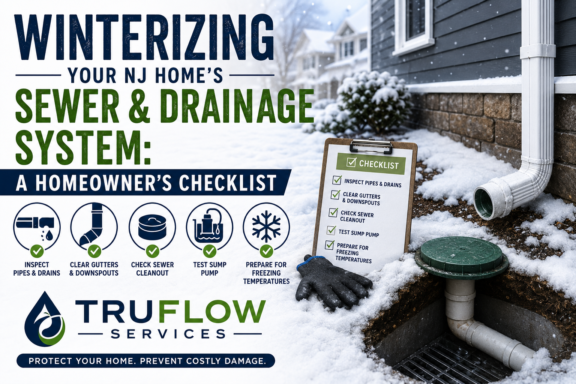
New Jersey’s freeze-thaw cycle is hard on everything buried in the ground, and sewer and drainage systems are no exception. Water trapped in a cracked pipe or a clogged catch basin expands as it freezes, turning a minor issue into a burst pipe or a flooded yard by spring. Fall, before the first hard freeze, is the right time to get ahead of it. Here’s the checklist we walk NJ homeowners through every year.
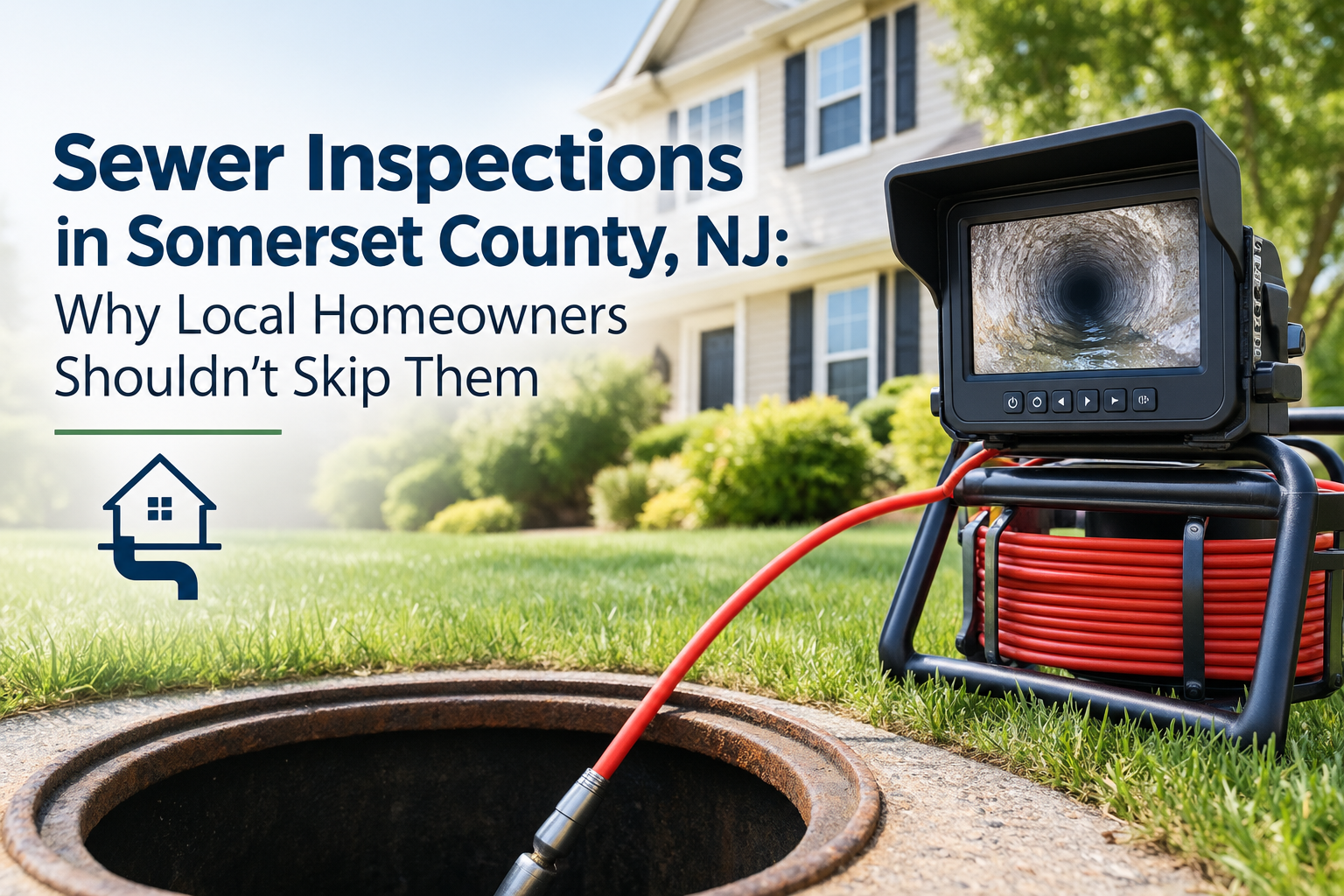
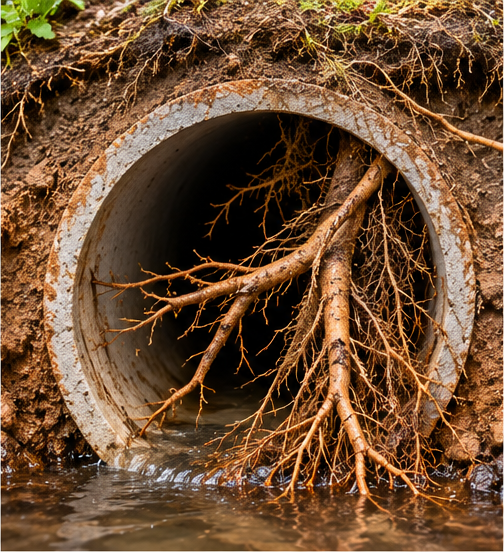
A camera inspection in October or early November catches cracks, root intrusion, or bellied sections while there’s still time to repair them without fighting frozen ground. Once the soil freezes, excavation work becomes far more difficult and expensive.
Grease, scale, and debris that have built up over the year narrow your pipe’s usable diameter. A hydro jetting service before winter clears that buildup so the line can handle holiday cooking, guests, and heavier household use without backing up.
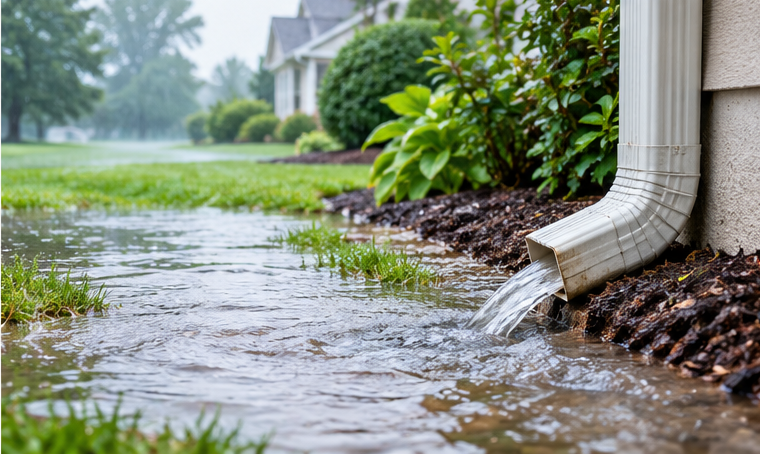
Leaves and debris clog downspouts every fall. A blocked downspout sends water straight down next to your foundation, where it can freeze, expand, and crack both your foundation and any nearby drain lines. Make sure downspouts are clear and extended at least 4 to 6 feet from the house.
Fallen leaves and yard debris are the number-one cause of clogged catch basins heading into winter. A blocked basin can’t move water, which means it freezes in place instead of draining, often cracking basin components in the process.
Any exposed sewer cleanout, drainage pipe, or fitting above ground or in an unheated crawl space should be insulated before temperatures drop. Foam pipe sleeves are inexpensive insurance against a costly freeze crack.
If a backup happens during a January cold snap, knowing exactly where your main cleanout is, and making sure it’s accessible, not buried under a snow pile, saves critical time.
Slow drains, gurgling, or a damp spot in the yard that doesn’t add up with recent weather are all reasons to call before a small issue turns into a frozen, burst, or fully blocked line. For a full rundown, see our 9 warning signs you need sewer line repair during the coldest part of the year.
The best time to winterize your sewer and drainage system in New Jersey is before the ground hardens, not after a pipe has already cracked. TruFlow’s fall inspection slots fill up quickly every year.
Ready to get it fixed? Call TruFlow at (908) 530-9516 or schedule your appointment online. Our licensed NJ team (NJHIC #13VH12979200) brings the camera, the jetter, and the answers
Back to Blog

 hello@truflownj.com
 (908) 530-9516