Franklin Township and the Borough of Manville represent two very different chapters of Somerset County’s growth — Manville’s tight-knit blocks built up around its early 20th-century industrial history, and Franklin Township’s sprawling mix of older hamlets like Middlebush and Griggstown alongside newer development near Route 27 and Easton Avenue. Despite their differences, homeowners in both towns end up asking us the same question once a sewer line inspection turns up bad news: does this need to be excavated, or can it be fixed without digging up the yard?
The honest answer is that it depends on what’s actually wrong with the pipe, which is exactly why we always start with a camera inspection before recommending a repair method.
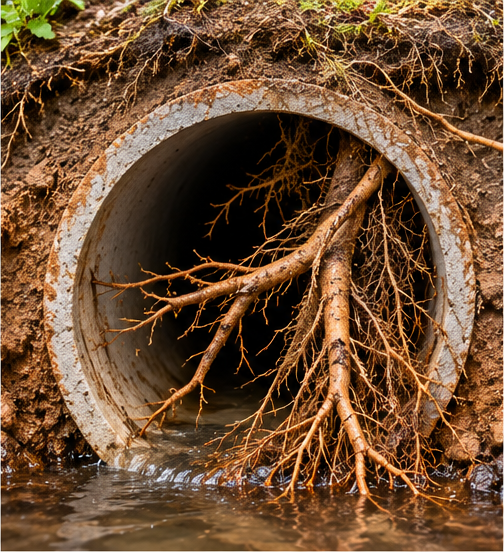
A waterproof camera fed through the sewer line’s cleanout gives our team a direct, real-time view of the pipe’s interior — its material, its condition, and exactly where and how severe any damage is. In Manville’s older homes, we often find aging clay or cast-iron pipe with cracks, offset joints, or corrosion. In Franklin Township, where lot sizes and construction eras vary widely block to block, the range of pipe conditions we encounter is even broader, from decades-old clay laterals in Middlebush to newer PVC in more recently developed neighborhoods.
Trenchless repair methods allow our team to rehabilitate or replace a damaged sewer line through small access points rather than digging up the entire length of the pipe. This is often the preferred option when:
For many homes in Franklin Township’s more established neighborhoods, where mature trees and finished landscaping sit directly over the sewer line, trenchless methods can mean the difference between a multi-day excavation project and a repair that’s finished with minimal yard disturbance.
Trenchless repair isn’t always the right fit. Traditional excavation tends to be necessary when:
Manville’s smaller, closer-set lots sometimes mean access is more limited, and our excavation team will assess the situation on-site to determine the most efficient — and least disruptive — path forward. Excavation also comes into play for related work like installing new drain pipe, digging trenches for yard drainage systems, or exposing a line for a more thorough repair.
Once we’ve determined the right approach, our team at TruFlow’s sewer repair page walks every homeowner through the process step by step — from the initial camera findings through the recommended repair method, cost expectations, and timeline. We work with licensed, experienced plumbers throughout the project so you’re never left guessing what’s happening underground.
Before deciding on repair, it’s also worth ruling out whether the issue is actually a clog rather than structural damage. In many cases, hydro jetting can clear blockages from grease, roots, or built-up debris without any repair being necessary at all — which is exactly why the inspection step matters so much before committing to either approach.
Whether you’re in an early 20th-century Manville cottage or a Franklin Township property with a half-acre of mature landscaping, the right repair method comes down to what the pipe actually needs — not a one-size-fits-all default. Check out our FAQ page for more on how we determine repair methods, or schedule an appointment to get a clear answer for your own sewer line.
TruFlow proudly serves Franklin Township, Manville, Middlebush, Griggstown, and the surrounding Somerset County area. Call (908) 530-9516 or visit truflownj.com to schedule a sewer line inspection.
Back to Blog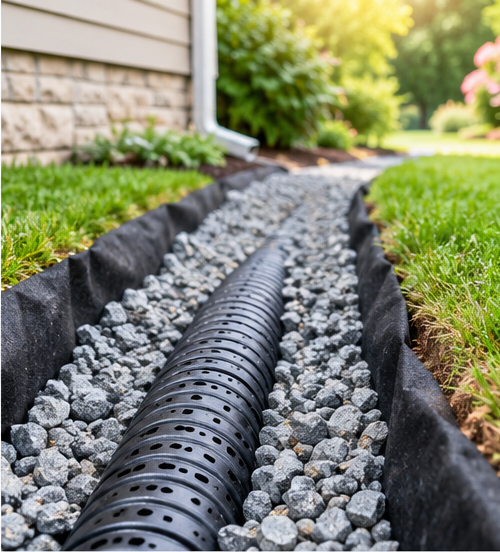

 hello@truflownj.com
 (908) 530-9516